




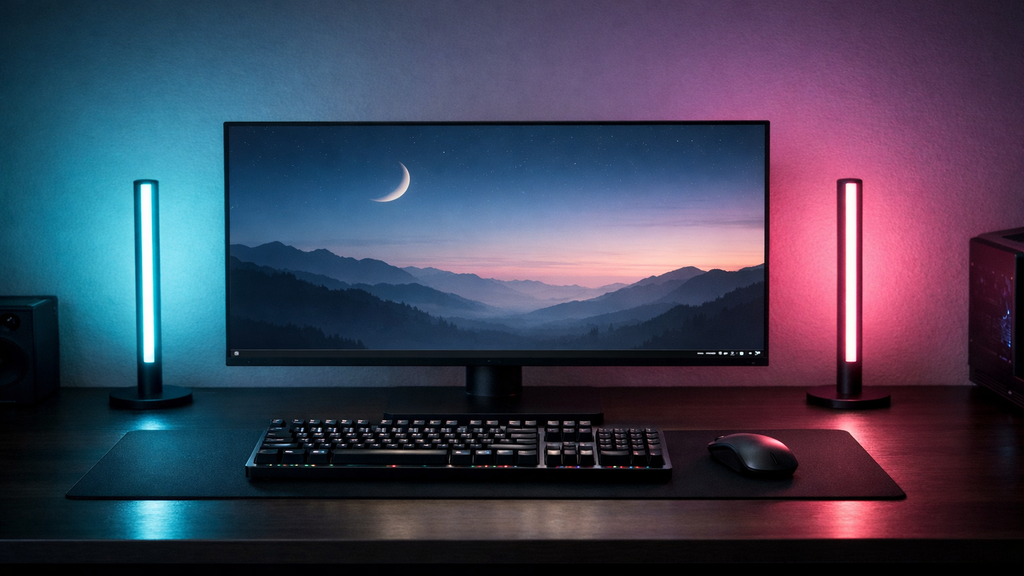
Vertical light bars have become a common addition to modern gaming and workspace setups. They offer consistent lighting, flexible placement, and a clean visual profile compared to traditional desk lamps.
They are designed to deliver stable brightness, efficient energy use, and long-term reliability. For gaming environments, this translates into better visibility, reduced glare, and a more controlled atmosphere.
This guide explains how vertical light bars work, where they fit best, and how to use them effectively without overcomplicating your setup.
Why Vertical Light Bars Work Well for Gaming
Unlike traditional lighting, vertical light bars are designed specifically for focused environments such as desks and setups rather than full-room illumination.
Key advantages include:
- Compact design that does not take up desk space
- Adjustable brightness and light intensity
- Reduced glare compared to direct lighting sources
- Compatibility with both minimal and RGB setups
- Long lifespan, often exceeding 50,000 hours
- Lower power consumption due to efficient components
They provide consistent lighting across different conditions, from low-light gaming to brighter workspace use.
Explore modern RGB light bars for gaming setups
Where to Place Vertical Light Bars for Best Results
Placement has a major impact on how effective the lighting feels.
1. On Both Sides of the Desk
Positioning light bars vertically on each side creates balance and structure.
- Adds symmetry to the setup
- Improves overall room perception without overwhelming the space
- Works well with single or dual monitor setups
This placement supports even lighting distribution across the desk.
2. Behind the Monitor or TV
Placing light bars behind the screen creates indirect lighting.
- Reduces contrast between screen and background
- Helps minimize eye strain during longer sessions
- Enhances depth without adding visual clutter
Soft brightness levels tend to work best in this position.
3. In Room Corners for Depth
Corner placement extends lighting beyond the desk.
- Adds vertical depth to smaller rooms
- Improves ambient lighting coverage
- Supports a more immersive environment
This approach is especially useful in compact spaces where lighting needs to serve multiple purposes.
Understanding Beam Patterns
Different beam patterns affect how light is distributed:
- Spot beam focuses light in a specific direction
- Flood beam spreads light across a wider area
- Combo beam blends both for balanced coverage
Choosing the right pattern depends on whether the goal is focused task lighting or broader ambient light.
Installation and Setup Tips
Proper setup improves both performance and appearance.
Recommended practices:
- Use brackets or magnetic mounts for clean installation
- Keep cables organized and out of view
- Choose efficient power sources that match your setup
Additional considerations:
- Smart controls or apps allow easier adjustment
- Medium brightness levels usually create a more balanced look
- Avoid placing lights where the source is directly visible
Avoid Overlighting the Space
Using too many light sources can reduce the overall effect.
For most setups:
- One or two vertical light bars are sufficient
- Moderate brightness maintains a clean look
- Coordinated colors improve visual consistency
A restrained approach often produces a more refined result.
How Vertical Light Bars Fit Into a Full Setup
Vertical light bars work best as part of a layered lighting approach.
They can be combined with:
- Back-of-desk LED strips for base lighting
- Monitor bias lighting for visual comfort
- Minimal accessories to keep focus on the lighting balance
This combination creates a structured and cohesive lighting environment.
Check out RGB lighting sets for gaming rooms
Common Product Types
Different types of vertical light bars are available depending on preferences:
- App-controlled light bars with adjustable settings
- Modular designs for flexible layouts
- System-integrated lighting that syncs with devices
Each option focuses on a slightly different use case, from simplicity to full customization.
What Users Typically Notice
Users often highlight several consistent benefits:
- Improved visual comfort during extended use
- Better control over lighting conditions
- Enhanced overall setup appearance
These improvements come from both functional lighting and the added structure it brings to a space.
Final Thoughts
Vertical light bars offer a practical way to improve both lighting quality and visual structure in a gaming setup.
They provide consistent brightness, flexible placement, and long-term efficiency without adding bulk.
When used thoughtfully, they support a cleaner, more balanced environment that works well for both gaming and everyday use.
A well-placed lighting setup does not need to be complex. Simple, controlled lighting often delivers the best results.
Frequently Asked Questions
Can vertical light bars be used with existing RGB setups?
Yes, most vertical light bars are compatible with standard RGB ecosystems and can sync with existing setups through apps or controllers.
Do vertical light bars require professional installation?
No, most models come with simple mounting brackets or magnetic attachments that allow for quick DIY installation without tools.
How long do vertical light bars typically last?
Quality vertical light bars have a lifespan of 50,000 hours or more, which translates to years of regular use without needing replacement.